The 2026 FCS Playoff bracket is set, with the first round games kicking off this weekend. Let’s take a look at some favorites to win it all, some potential spoilers, teams trending down, overall thoughts, and some thoughts on the Committee’s selections. This won’t be as long as last year’s preview, but some points will be rehashed in 2026.
The Favorites
To absolutely no one’s surprise, the top 3 seeds are also the favorites to win it all. Wow, thanks, Captain Obvious! While that is typically true, I don’t think this trio is unbeatable. In 2025, I thought North Dakota State was the clear favorite, and they were knocked out in the Round of 16 by eventual runners-up Illinois State. This year, the top three teams haven’t looked invincible, with #1 Montana State and #3 South Dakota State both having lost to FCS opponents. #2 Tarleton State is undefeated, but also has some defensive concerns. Illinois State proved last season that even unseeded teams can make a run in the FCS Playoffs, so I wouldn’t discount every team in the bracket, even if they face one of the top seeds.
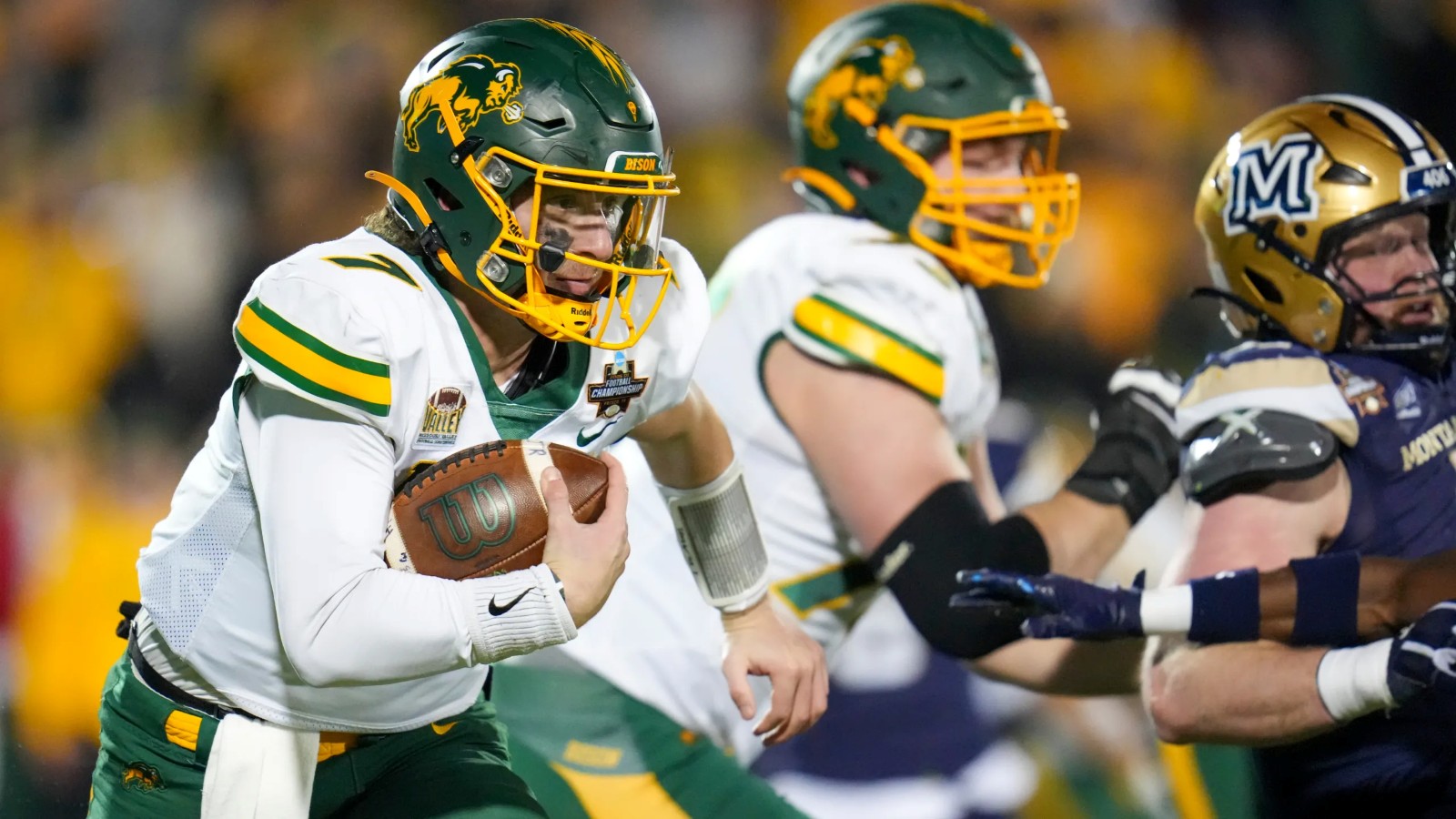
Outside the top 3, I’ve been pretty high on #6 Youngstown State this season. The Penguins showed improvement on defense early in the year, and having Beau Brungard makes them a threat to every team. One worry over the last month has been that defense, which has given up lots of yards and points. I wouldn’t put them in the same conversation with the top three entering the playoffs, but I can also envision them winning it all.
The Dark Horses
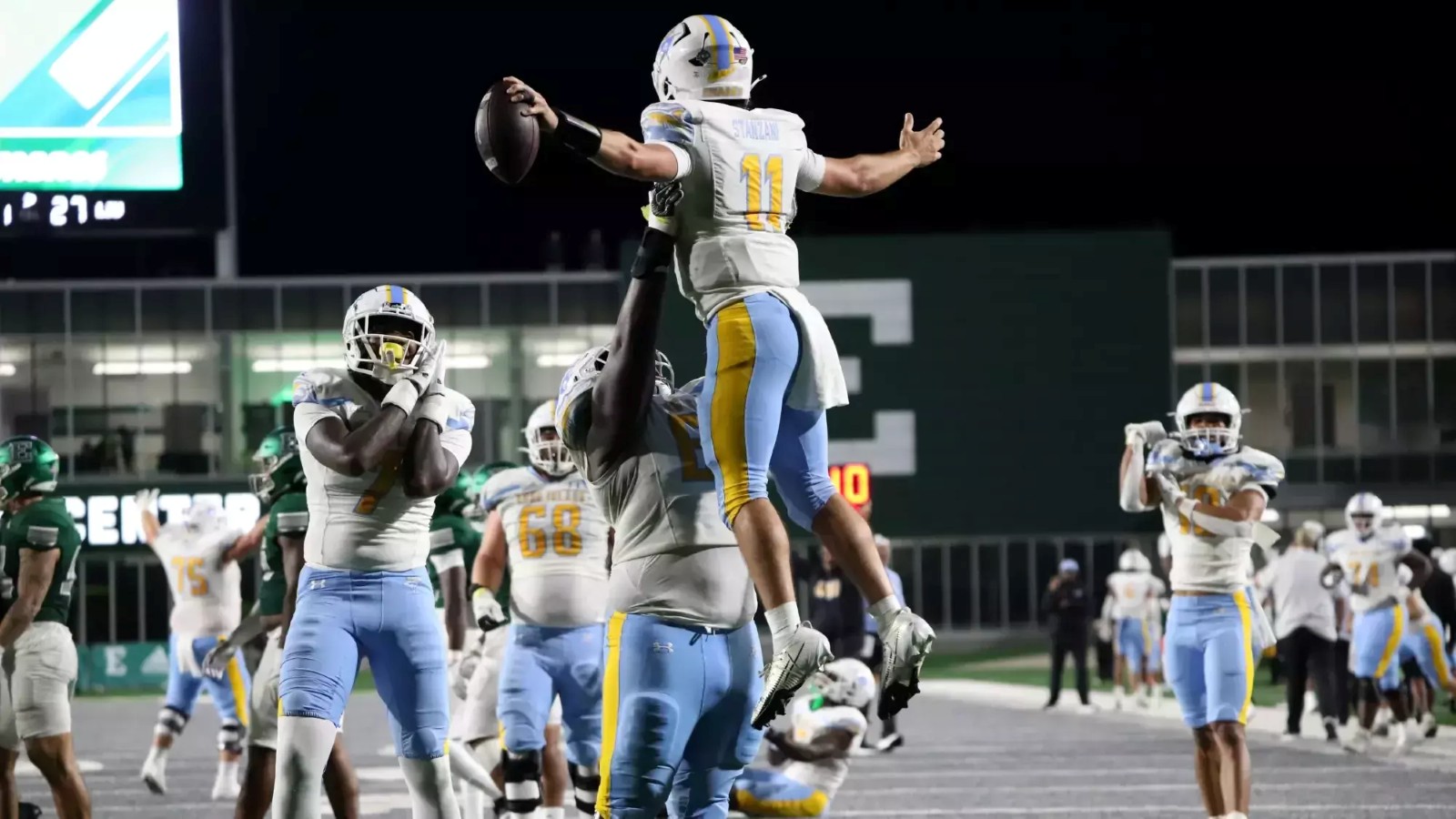
Speaking of unseeded teams… one of the potential spoilers for 2026 is Incarnate Word. The Cardinals will face #15 Montana in the opening round, and it’s rather favorable for an explosive offense. The Grizzlies are… not good on defense. However, UIW will need to prove it can win a big game, having lost to Lamar, Northern Arizona, and Stephen F. Austin this season. If UIW wins at Montana, they’ll travel to face #2 Tarleton State, which also has some defensive concerns. The quarterfinal matchup would be against #7 South Dakota, #10 Northern Arizona, or Long Island. It’s quite unlikely to be LIU, while games against USD and NAU would be interesting. Of course, UIW already lost 38-28 to Northern Arizona in the second game of the season.
If I had to pick a second dark horse, I’d go with #9 North Dakota. We’ve seen what the Fighting Hawks can do at their very best, with big wins against South Dakota State and Illinois State. If they play like that, there should be no issue in the opening game at home versus Idaho State. The real question is whether they can replicate those performances while doing so on the road, which is where UND would play in the second round at #8 Mercer. If they can, they’ll have a shot at facing #1 Montana State in the quarterfinals and potentially pulling off the upset. If not, UND will be looking at another early exit.
Teams Trending Down
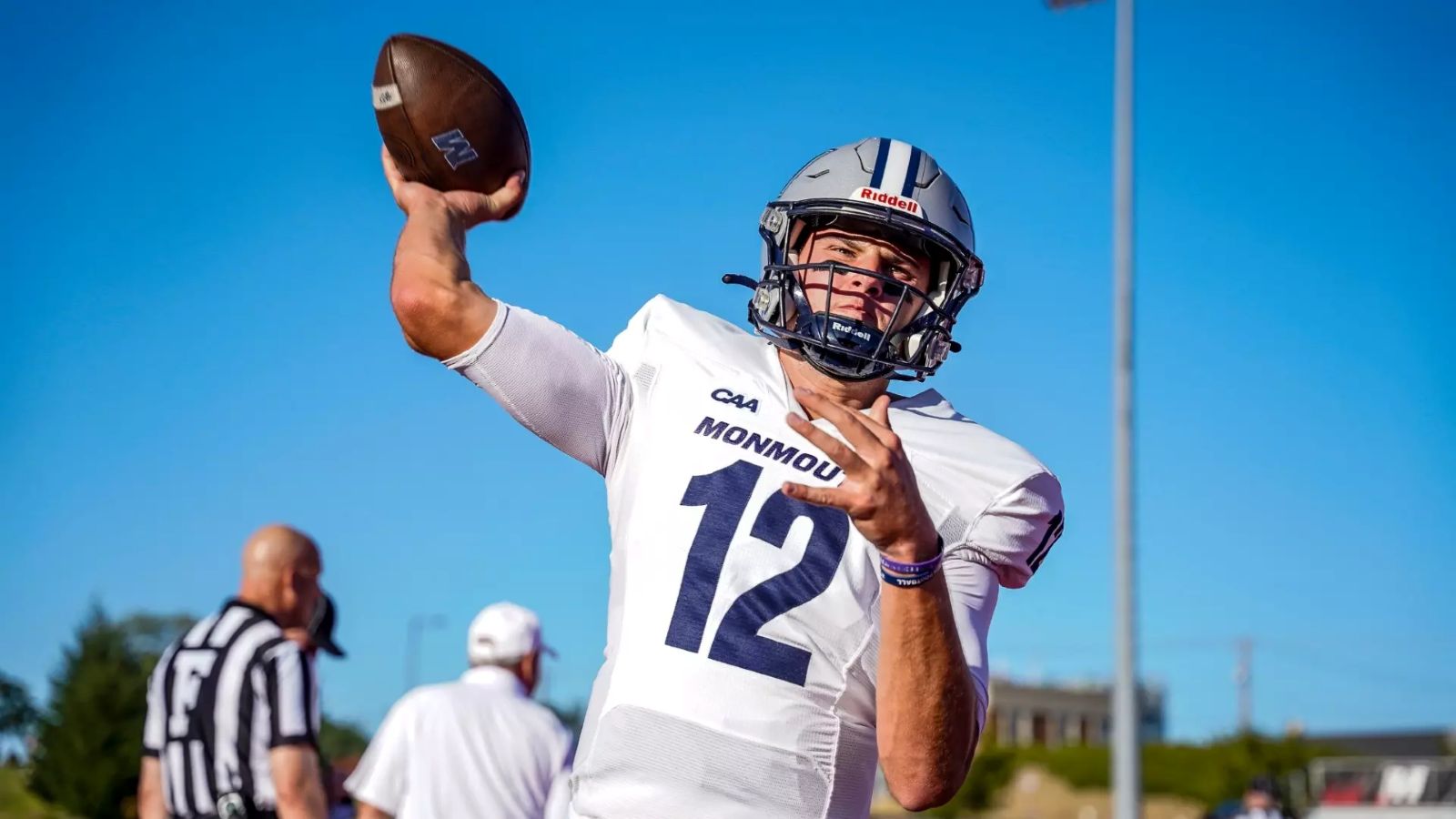
Last year, I had Harvard and Lamar as trending down going into their first round matchups. Both lost rather convincingly on the road in the first round as unseeded teams. Harvard returns to this section in 2026. I’ve been unimpressed by the Crimson all season, with offensive inconsistency throughout the season. In the two losses to Dartmouth and Yale, Charlie Smith had 2 touchdown passes and 8 interceptions. I’m not sure if the defense can keep #16 Monmouth‘s offense in check for 60 minutes, and it certainly won’t be close if the offense sputters. However, the Monmouth defense isn’t great, so if Smith is locked in, the Crimson will have a chance to win on the road.
I’ll also put Montana in this section. In the final 6 games of the season, the defense has allowed an average of 36.7 points and 449 yards per game. The first round matchup at home is not favorable either, as Incarnate Word comes in on a 6-game winning streak while averaging 48 points per game in those victories. The game is very likely to be a shootout and the Montana defense will have to make one or two stops to win the game. Based on what I’ve seen this season, I don’t have confidence it will happen. Working in Montana’s favor is being at home, and UIW hasn’t beaten a top team in 2026. Montana also has an explosive offense that can rival the Cardinals.
Overall Bracket Thoughts
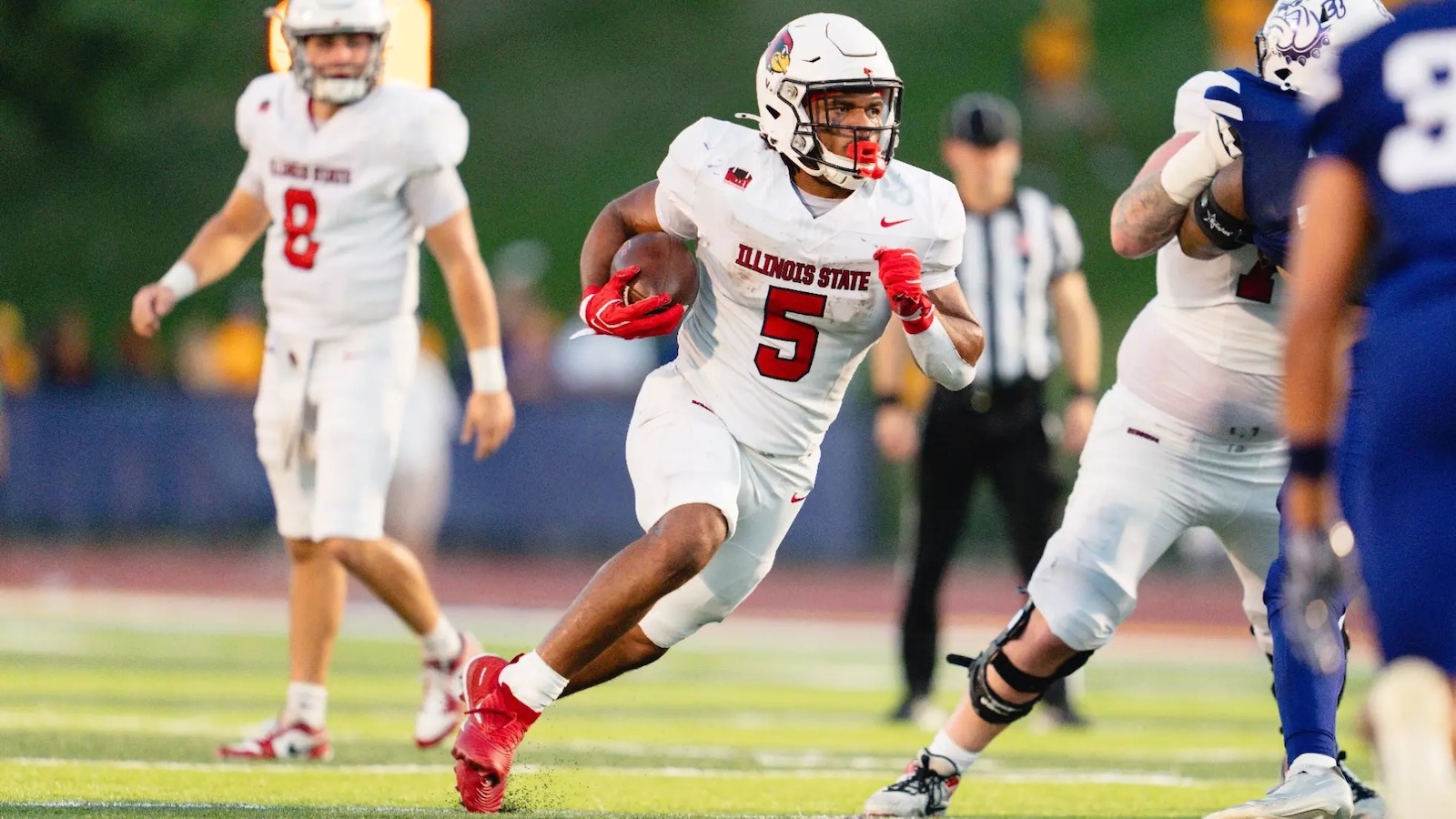
I think there are a lot of great games in the first round. #13 Illinois State at Austin Peay and Incarnate Word at #15 Montana are the two I’m most interested in, but I don’t think there are many “bad” games. The only one that falls in that category is Long Island at #10 Northern Arizona, by virtue of LIU having a losing record, but it’s also a difficult place to play and a long road trip. Austin Peay being one of the last four in and hosting the game due to ISU’s field not being available due to the IHSA Playoffs is an interesting wrinkle. Illinois State will not fly under the radar this season as it did en route to a title game appearance last year. Overall, I’m excited to see the first round and how the bracket shakes out.
I’m a bit intrigued by the Dayton at #11 Tennessee Tech matchup. On paper, TTU should win this somewhat easily, but Dayton’s defense is solid. The Flyers also have two big road wins this season: a 17-14 win over Eastern Kentucky and a 19-9 win against Butler. While the EKU win doesn’t seem impressive, considering the Colonels finished 4-8 overall, we learned that they’re a tough team. EKU lost to Tarleton State 28-24 on the road and 20-16 to North Alabama at home, while defeating Chattanooga 22-17 at home and Abilene Christian 44-25 on the road. Of note, Tennessee Tech also played EKU this season, posting a 49-20 win at home. The winner of this game would face #6 Youngstown State.
FCS Playoff Committee Selection Thoughts
I want to preface this section by saying I don’t think any of the bubble teams can truly complain about missing out on the FCS Playoffs this year. The bubble was incredibly weak, and every team had a chance to make the bracket, with maybe one exception. I’ll talk about that in a second, but first, some important disclosures I made over on social media. I made some predictions about the last four teams selected based on who I felt should get in, and what the teams I thought the Selection Committee would select. I’ll provide both of those below, along with the final four teams selected.
Personal Selections: Albany, Austin Peay, Bryant, Incarnate Word
Committee Prediction: Austin Peay, Idaho State, Incarnate Word, UC Davis
Actual Selections: Albany, Austin Peay, Idaho State, Incarnate Word
I mentioned that the bubble was weak this year, and I think that was evident by the fact that the Committee only provided 3 teams on the outside: Bryant, North Alabama, and UC Davis. Typically, there are four schools provided. Not great for a team like Campbell, which was a possible at-large heading into the weekend, to not even be listed. I don’t think any of those 3 teams have a great case. All 7 teams had a similar issue of no more than 1 good/decent win. All had ample opportunities to pick up that extra win or avoid a bad loss.
One thing that is interesting is that Albany was selected over Bryant, despite Bryant defeating Albany convincingly two weeks ago, 31-7. Both finished 8-4 overall and 6-2 in the CAA. Bryant defeated Princeton (6-4), while Albany lost to the Tigers. On the flip side, Albany defeated Stony Brook (6-6), while Bryant lost to them. Albany also beat Campbell (8-4). If I had to guess, I think Albany’s 41-54 overall combined record of the teams they defeated mattered, as Bryant had a 35-57 record. I personally would have had Bryant ahead of Albany in the pecking order.
As for UC Davis, I’m glad the Selection Committee left them out. The Aggies went 8-4 overall, but they were a paper tiger in those 8 wins. The combined record of the teams they defeated is 26-69. Five of the six Big Sky wins were against the bottom 5 teams in the Big Sky standings. The sixth Big Sky win was over Idaho, which finished 5-7. The other 2 wins came against PFL teams: San Diego (6-5) and Stetson (1-11). The four losses were against SMU (56-10), Montana (62-22), Southern Utah (38-17), and Weber State (38-14). None of those four losses were close and it’s clear that defeating Utah Tech (1-11), Idaho (5-7), and Cal Poly (4-8) by 7 points or less mattered.
The most surprising thing was that a fourth team wasn’t listed among the first teams out. I imagine, but cannot confirm, that it was Campbell, which finished 8-4. The Camels had a horrible end to the season, although they haven’t looked spectacular in the final seven games. The final month featured losses to Albany (45-35), Elon (28-24), and Monmouth (55-49), with the lone win coming against Stony Brook (48-35). While all four of those teams finished .500 or better, the defense collapsed, giving up 41 points per game. Would a win over Monmouth have put Campbell in the field? Or would they still have missed out with Bryant and Albany ahead of them in the standings?
It is a relief to see the first round game times spread throughout the day instead of all starting at Noon local time as it was in 2025. I don’t have many complaints about the bracket balance, with the 2/3 side being tougher. To be clear, I don’t think these complaints are invalid, but having three strong teams means the 2/3 side was likely to be more difficult. Compounding the 2/3 strength is that the Committee maintains a regional approach to first round matchups, which always creates imbalance, particularly when the Big Sky and MVFC account for nearly half the bracket. Unless the NCAA is going to pay for a true national bracket, this is just a byproduct of the current FCS landscape. That could change if private equity ever gets involved, but it could always be a truly regional championship bracket, similar to how the NCAA Division II does its championship selections. I don’t think FCS fans would approve of such a model.
And since the topic of automatic qualifiers will come up, there’s no need to make changes in that department either. The FCS community started the season talking about whether the Pioneer Football League should keep its AQ bid after losing a handful of games to non-Division I programs. In the end, Dayton won the AQ bid after going 10-1, and the Flyers only lost to Drake. Now, the focus has shifted to the NEC, which is sending Long Island to the playoffs with a 5-7 overall record. LIU highlights the beauty of the sport: the underdog did the improbable and won the title. LIU started 0-5 and was 3-7 two weeks ago. They needed a very unlikely and specific set of outcomes to emerge with the AQ bid. Central Connecticut State was the best team in the NEC until last week. They led LIU 14-7 in the third quarter, only needing to win one of their last 2 games. LIU got that improbable set of events to fall into place, including rallying to win each of its last 2 games. If you want exclusivity, then the FCS isn’t for you. The FBS will be more to your liking.
Finally, since it will inevitably be mentioned, let’s talk FCS Playoff expansion. Do we need it? Absolutely not, especially based on this year’s bubble. The Committee didn’t even bother to list a fourth team. A 28-team playoff this year would water down the bracket substantially. As I stated in 2025, the only reason to expand would be if deserving teams are constantly missing out on the field. While I personally would have had Bryant in the field over Albany, it’s not because there were more good teams than available spots. “Deserving” is subjective, but this year’s bubble wasn’t strong. If legitimately deserving teams were being left out consistently, then I think a conversation should take place. To me, that hasn’t been happening in recent years, and expansion is not needed.
Photo Credit to Illinois State University Athletics